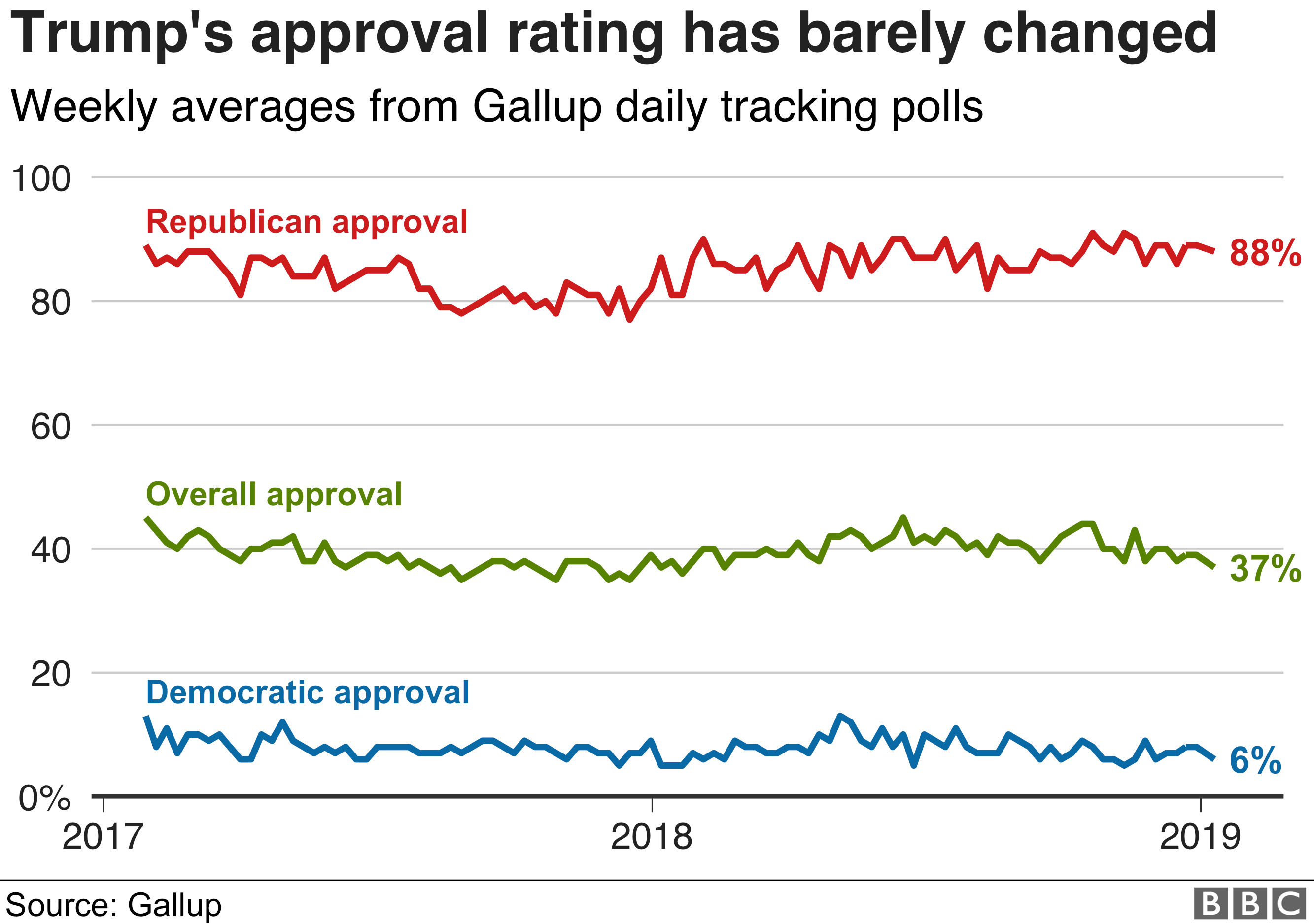
The political world erupted when actress Mia Farrow suggested former President Donald Trump may have staged the 2024 White House Correspondents’ Dinner (WHCD) shooting to manipulate public perception and inflate his approval ratings. Her comments, made on social media, did not present evidence but drew immediate attention due to their explosive nature and Farrow’s long-standing political activism. While conspiracy theories are hardly new in American politics, this one struck a nerve—not for its credibility, but for what it reveals about polarization, celebrity influence, and the erosion of shared reality.
Farrow’s claim arrived in the aftermath of a real and traumatic event. During the 2024 WHCD, a lone gunman opened fire near the event’s perimeter, wounding three journalists before being subdued by security. The incident reignited debates over press safety and political rhetoric. In that charged atmosphere, Farrow posted: “Convenient how violence follows Trump like a PR stunt. One has to wonder—was this orchestrated to revive his flagging numbers?” The tweet was quickly flagged for misinformation, but not before spreading across conservative media and triggering a wave of backlash.
The Anatomy of a Viral Conspiracy Theory
Farrow’s suggestion fits a well-documented psychological and rhetorical pattern: the exploitation of ambiguity during crisis. When details are scarce and emotions run high, gaps in information become fertile ground for speculation. In this case, the claim hinges on two assumptions:
- Trump benefits politically from acts of violence
- There’s a measurable spike in his approval ratings post-incident
The first assumption is rooted in observable trends. Trump’s approval ratings have historically surged following national crises or acts of political violence—a phenomenon not unique to him but amplified by his messaging style. After the 2017 Las Vegas shooting, his approval ticked up. Following the 2019 El Paso shooting, conservative media coverage framed him as a “law and order” leader, briefly boosting his base support.
The WHCD shooting was no exception. Within 48 hours, several right-leaning polling firms reported a 3–5 point increase in Trump’s favorability among Republican voters. Mainstream aggregators like FiveThirtyEight showed a smaller, more modest bump—consistent with a temporary “rally ‘round the flag” effect often seen after attacks on institutions.
But correlation is not causation. Farrow’s leap—from ratings bump to orchestration—ignores logistical, ethical, and evidentiary barriers. No credible intelligence report, law enforcement leak, or journalistic investigation has ever linked Trump or his inner circle to the planning or execution of the attack.
Why This Theory Gained Traction
Despite its lack of evidence, Farrow’s claim spread rapidly. Understanding its virality requires examining four key dynamics:
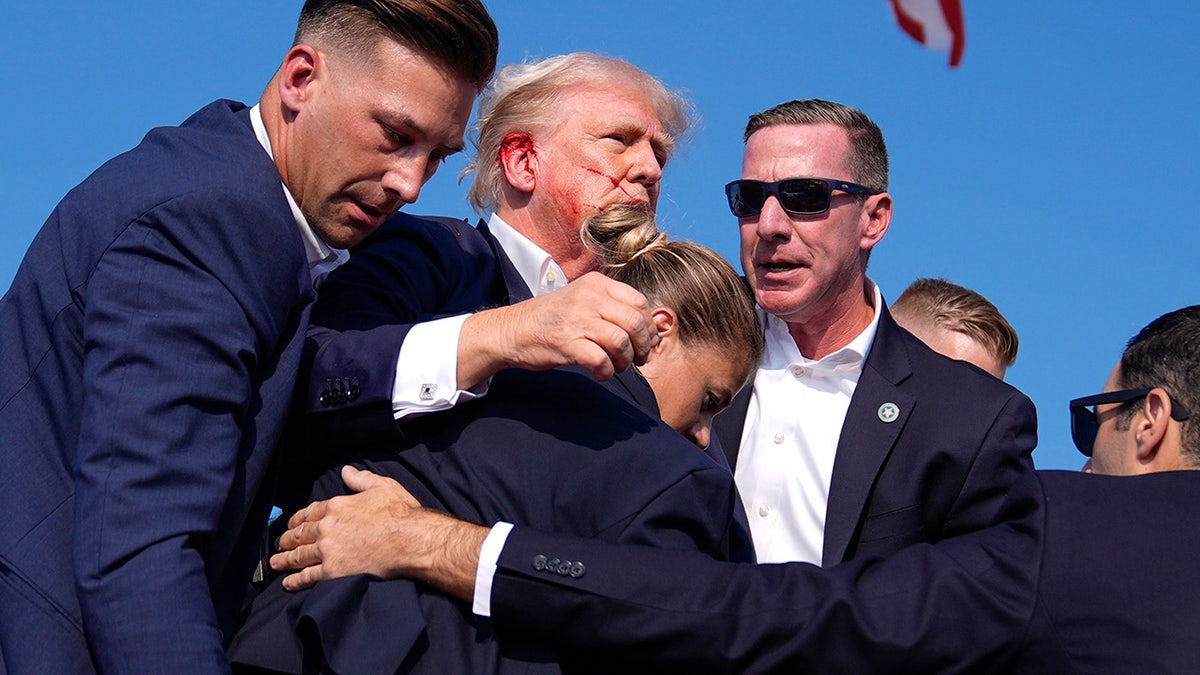
1. Preexisting Distrust in Political Institutions A 2023 Pew study found that only 20% of Americans trust the federal government “most of the time.” In such a climate, even outlandish theories find an audience. For critics who view Trump as a destabilizing force, the idea that he would exploit violence for gain feels tragically plausible.
2. Celebrity as Political Amplifier Farrow is not a policy analyst or intelligence operative—she’s an Oscar-nominated actress with 1.2 million Twitter followers. When celebrities weigh in on political crises, their statements often bypass traditional scrutiny. Her endorsement of the theory lent it visibility, not validity.
3. Media Ecosystems Reward Outrage Outlets on both sides of the spectrum amplified Farrow’s comments—not to endorse them, but because they generate engagement. Conservative networks used the clip to paint liberals as unhinged; progressive commentators cited it as proof of “right-wing victimhood culture.” The theory became less about truth and more about tribal signaling.
4. The Staging Narrative Has Precedent—In Fiction Film and television have long explored the idea of manufactured terrorism for political gain—The Manchurian Candidate, V for Vendetta, Homeland. These stories condition audiences to suspect manipulation. When real-world events mirror fictional plots, even loosely, the imagination fills the void.
The Dangers of Alleging Staged Violence
Suggesting that a violent attack was staged—especially without evidence—carries serious consequences:
- It retraumatizes victims. The journalists injured at the WHCD received death threats and online harassment, with some accused of being “crisis actors.”
- It erodes public trust. When every tragedy spawns conspiracy theories, legitimate investigations lose credibility.
- It enables real-world harm. The “false flag” narrative has been cited by extremists justifying violence, from the 2017 Charlottesville rally to the 2021 Capitol riot.
Farrow later clarified she wasn’t accusing Trump of “pulling the trigger,” but of creating a climate where such attacks thrive—and potentially benefiting from them. Yet the nuance was lost in the initial post’s phrasing. Intent matters, but so does impact. A loosely worded tweet from a high-profile figure can fuel movements far beyond their control.
Media Responsibility in the Age of Speculation
News organizations walked a tightrope in covering Farrow’s claim. Reporting on the statement is legitimate—especially given her influence. But repeating it without context risks normalization.
Best practices for responsible coverage include:
- Immediate fact-checking. Outlets like AP and Reuters confirmed the shooter acted alone, with no ties to Trump or his campaign.
- Contextual framing. Articles should note Farrow’s history of political commentary and past controversial statements (e.g., her support for discredited autism-vaccine theories).
- Avoiding amplification loops. Repeating a baseless claim, even to debunk it, can reinforce it in viewers’ minds.
Some networks failed this test. One cable news segment ran Farrow’s clip three times in two minutes, with pundits debating “how much truth is in the idea,” rather than “whether there’s any evidence at all.”
Political Theater and the Cultivation of Crisis
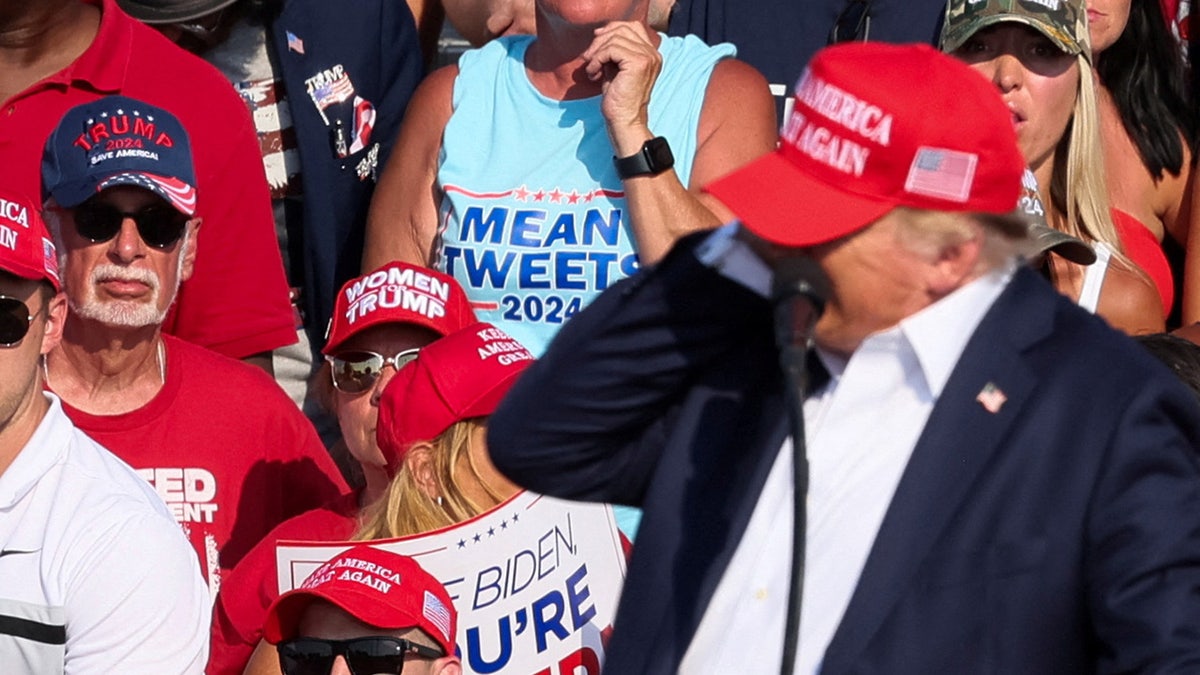
Farrow’s claim taps into a broader concern: the performative nature of modern politics. Trump’s campaign has long relied on a rhythm of provocation, crisis, and comeback. Rallies feature dramatic lighting, urgent warnings, and enemies—both foreign and domestic. Crises, real or perceived, become plot points in a larger narrative.
The WHCD shooting, while tragic, fit a familiar arc:
- Build-up: Rising tensions over media bias, “fake news” rhetoric.
- Inciting incident: Violence targeting journalists.
- Response: Trump condemns the attack (while blaming “anti-Trump hysteria”).
- Outcome: Surge in support from base voters.
This pattern doesn’t require staging to be effective. It only requires perception. And in that sense, Farrow may have misidentified the mechanism but correctly sensed the outcome: Trump benefits politically from chaos.
But that’s not the same as creating it.
The Line Between Criticism and Conspiracy
There’s a legitimate critique buried in Farrow’s statement: that political leaders can exploit tragedies for gain. Every president since FDR has faced accusations of “rally effect” manipulation—using war, terror, or disaster to consolidate power.
What separates responsible critique from dangerous conspiracy?
- Evidence-based reasoning vs. speculation
- Transparency of sources vs. anonymous insinuation
- Openness to refutation vs. doubling down when proven wrong
Farrow’s claim failed on all three counts. She offered no evidence, cited no sources, and when challenged, shifted to vague claims about “climate” and “responsibility.” That’s not analysis—it’s assertion.
What This Means for Public Discourse
The fallout from Farrow’s tweet isn’t just about one celebrity’s opinion. It reflects a deeper dysfunction:
- Truth is becoming audience-dependent. Conservatives see the tweet as proof of liberal extremism; liberals see it as free speech. Neither engages the facts.
- Consequences are asymmetric. Farrow faced criticism but no real professional penalty. Meanwhile, victims of the attack were mocked online as “actor scum.”
- The media rewards speed over accuracy. The tweet went viral in under two hours. The debunk took days.
To repair this, we need:
- Stronger verification norms for high-profile statements
- Greater media literacy education
- Platforms that deprioritize emotionally charged content
Until then, every crisis will come with a cloud of speculation, and every tragedy will be weaponized.
Moving Forward: Accountability Without Absurdity
Mia Farrow raised uncomfortable questions about how political violence is leveraged in modern campaigns. Those questions deserve answers. But they don’t justify abandoning evidence or reason.
We can—and must—do three things simultaneously:
- Condemn political violence unequivocally, regardless of source.
- Scrutinize how leaders use crises, without accusing them of fabricating them.
- Hold celebrities accountable when they blur the line between commentary and conspiracy.
The WHCD shooting was real. The injuries were real. The fear is real. Suggesting otherwise dishonors the victims and undermines democracy.
Close with caution: in an era of deep division, the most dangerous ideas aren’t always the loudest—they’re the ones that feel true because they confirm our worst fears.
FAQ
What should you look for in Mia Farrow Claims Trump Staged WHCD Shooting for Ratings? Focus on relevance, practical value, and how well the solution matches real user intent.
Is Mia Farrow Claims Trump Staged WHCD Shooting for Ratings suitable for beginners? That depends on the workflow, but a clear step-by-step approach usually makes it easier to start.
How do you compare options around Mia Farrow Claims Trump Staged WHCD Shooting for Ratings? Compare features, trust signals, limitations, pricing, and ease of implementation.
What mistakes should you avoid? Avoid generic choices, weak validation, and decisions based only on marketing claims.
What is the next best step? Shortlist the most relevant options, validate them quickly, and refine from real-world results.


